Do you ever open TikTok for five minutes and suddenly realize it has been hours? That is not an accident. That is behavioral economics at work. The app does this on purpose through its behavioral design. In other words, the app studies your decision-making patterns and preferences so the algorithm can predict what type of content you would like to see on your “for you page.” Every like, comment, and repost becomes important data for them. When creating any type of app, especially on social media, it is important to use the easiest possible design layout to keep users engaged, which TikTok does very well.
Infinite Scroll Feature:

TikTok is unpredictable, which keeps its users scrolling for more. You never know what video will pop up next on your “for you” page. To keep you hooked, the app gets to know you like a friend. If you like makeup videos, the app will take notes and bring those type of videos to your page. If you like cooking videos, it will bring more of those. TikTok has that “slot machine” effect– the more content the app shows you that interests you, the longer you stay and the more money the app will make. To support this behavioral design, they make it as easy as possible to use the app so it becomes automatic to the user. This means users do not consciously think about their scrolling habits which keeps them engaged longer than they initially planned.
Social Proof:
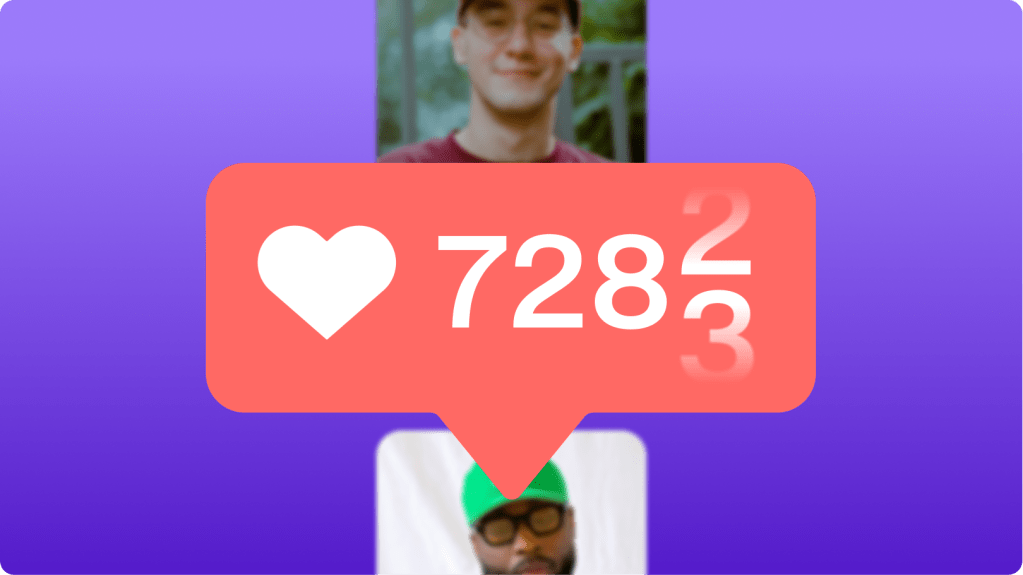
Another behavioral economics principle TikTok uses is social proof. This is where users subconsciously make decisions based on what others are doing when they see a TikTok video. For example, if a user likes watching funny videos and sees the video has a lot of likes, they might stay on the video as it seems like it is popular and is worth watching. Maybe the user is interested in buying a new dress and they see one that catches their eye on their for you page. Most likely, they will save the video and come back to it later or make a purchase. Social proof makes a feedback loop that boosts engagement on a TikTok video. Since TikTok is full of short-form content, it is important to hook the user’s attention within the first few seconds. During those moments, users subconsciously decide if your video is worth their time.
Scarcity:
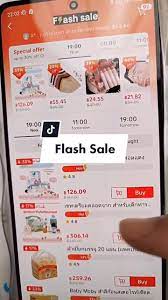
When your time is limited, doesn’t it make you more anxious? Well this is what TikTok exactly aims to do on their app. This is common on livestreams, where companies sell their products and put a countdown on them. This urges the user to jump on the sale as soon as possible as they do not want to miss out. This tactic is great for companies that use their app for business to create sales for their products. When these sales happen, users are never sure when they will see a good price on their product again so it encourages them to participate.
Creators can also experience scarcity when a sound, filter or challenge is trending. Jumping on trends is really important as they are constantly changing. A trend that is big one week might not be as big the next. Since these trends are what audiences find to be entertaining, it is important for creators to incorporate these trends in their videos so they can be sure to get the highest engagement rates possible.
While TikTok is designed to entertain you, you are now aware of the science behind the app. You now know why you are always scrolling for hours on end. Understanding these behavioral design strategies helps explain why apps like TikTok are the best at capturing attention and shows the power of psychology in social media. This is not just something TikTok does, it is what a lot of companies do in different ways to make sure they are staying in business.
 Emilie Ackerman
Leave a comment