As someone who works in entertainment marketing / social media strategy, I constantly have to think about how certain posts will perform now and in the future. This is where I have to use scenario planning and the cone of plausibility. After learning about these two concepts, I realized that these things can also be applied to social media strategies.
Scenario Planning In Social Media:
When it comes to scenario planning, as an editorial and social media intern for Girls’ Life Magazine and someone who runs my own young entertainment social media account (@emilieacktv), I constantly have to think about different scenarios of how my posts could perform.
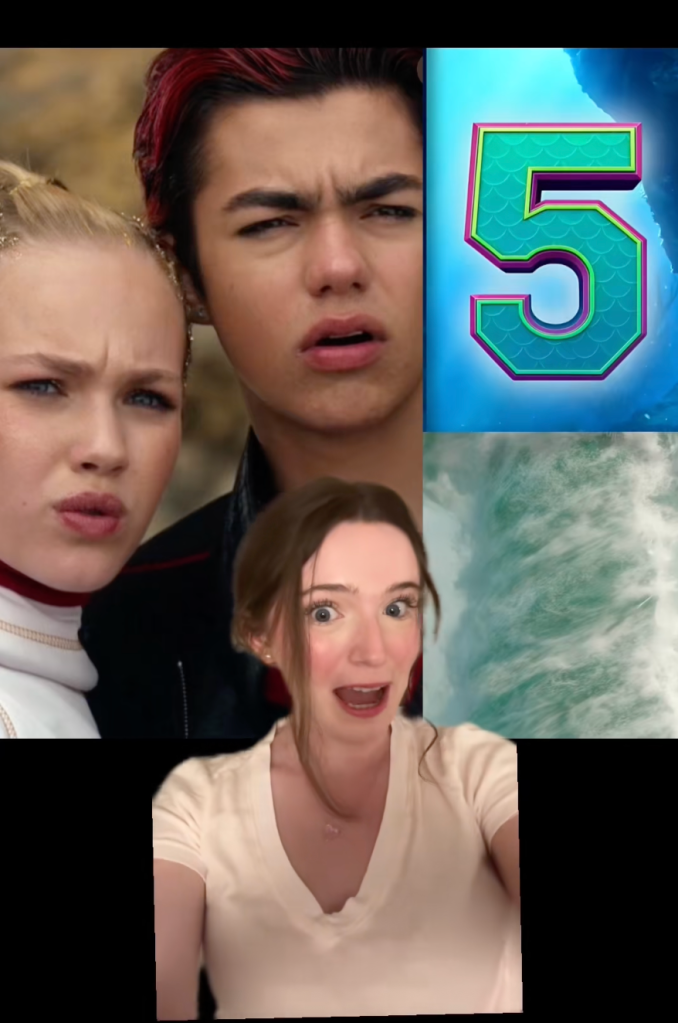
For example, the video I made about Disney’s Zombies 5 being in the possible early stages of development, the likely scenario is that it will reach my current followers who are fans of the Zombies franchise. In a plausible case, the algorithm on Instagram and TikTok could expand my videos to other Disney Channel fans who have yet to have discover my page or in a wild case, it could be reposted or noticed by bigger creators or go viral.
Sometimes, a post might not do as well as I hoped so in this case I would think of how to improve my next entertainment news post. I reflect on what possibly could have caused these results — hashtags, timing, too much blabbering, etc. Through scenario planning, it helps me to anticipate multiple outcomes so I can respond quickly, adjust my strategy, and keep building momentum. This approach helps me create more engaging content for Girls’ Life Magazine and my own audience.
Zombies 5 is in the current stages of development? (Click to view!)
Cone of Plausibility in Social Media:
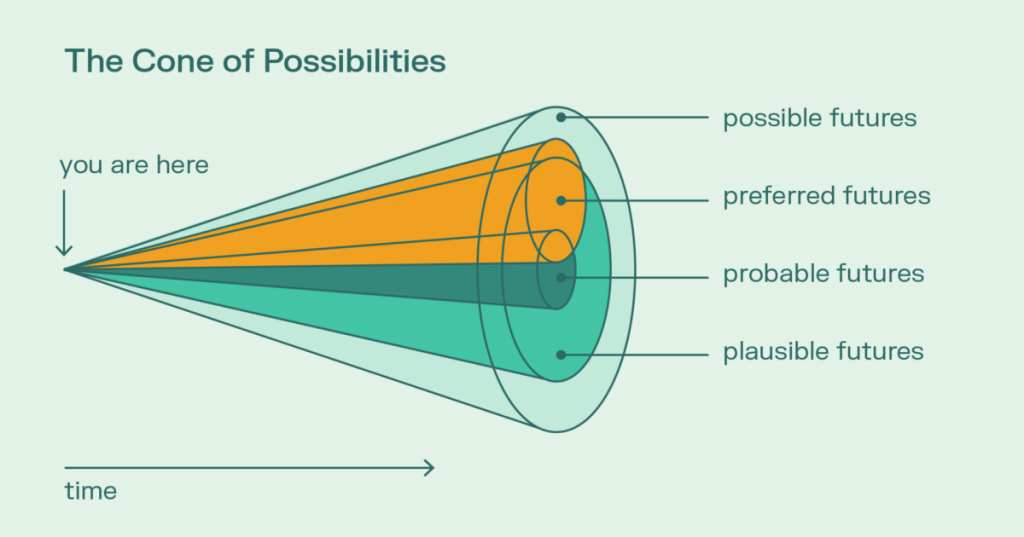
As for the cone of plausibility, it can help me determine how simple or bold I want to go with my visuals for the video. A likely approach would be me doing a simple news clip with basic visuals. A plausible approach would be me including some animated graphics or making fun comparisons to Disney movies. A wild approach could be a short cinematic teaser with fan theories, fun predictions, and or special effects.
Sometimes taking the wild approach in social media can be better as the algorithm favors unique and interesting content that will make the audience want to stick around for more. This where design of the future comes in. When I experiment with colors, movement, and layout, I am designing how my audience might experience entertainment content years from now.
Visual design plays a big role in how audiences interpret my videos. The better the graphics look, they are more likely they will be shared, which helps shape the future of entertainment storytelling online.
 Emilie Ackerman
Leave a comment